
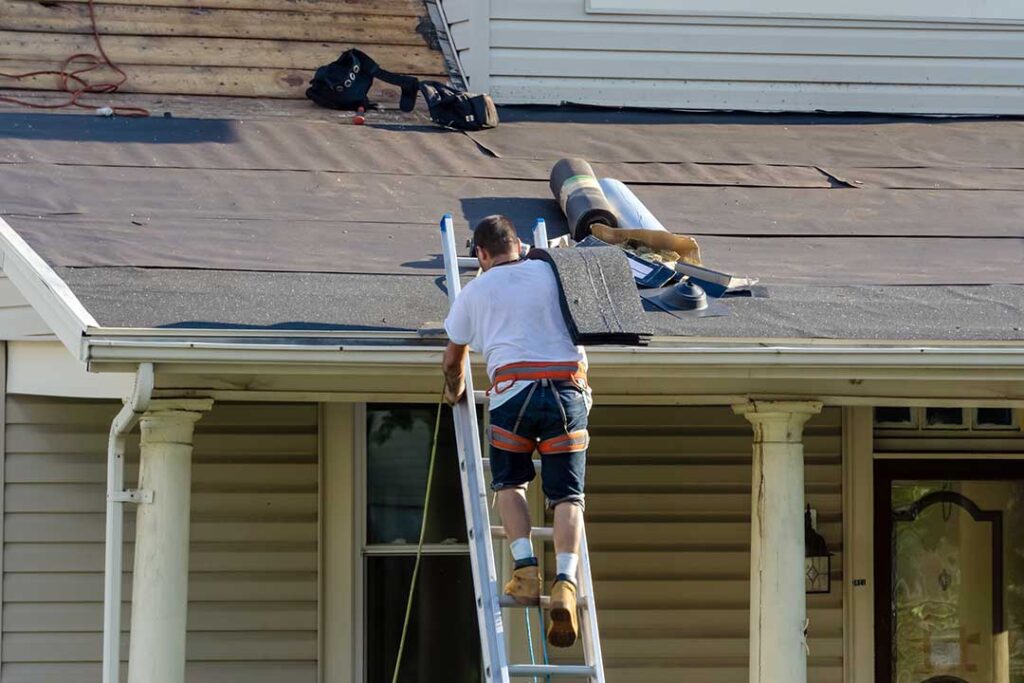
Why Does Roof Color Matter for Homes in Angola, NY?
Roof color isn’t just about style—your choice can influence energy costs, comfort, curb appeal, and even resale value in the local area. Angola, NY experiences cold winters, warm humid summers, and large weather shifts off Lake Erie, so picking the right shade for your roof can make a practical difference year-round.
How Do Weather and Climate Influence Roof Color Selection?
In Angola, the seasonal temperature range is wide. Winter brings lake-effect snow, while summers can be muggy and sunny.
Roof color plays a role in temperature regulation:
- Darker roofs absorb more sunlight, helping local homes retain heat during chilly winters.
- Lighter roofs reflect sunlight, which can reduce attic heat buildup in the hottest summer months.
Many area residents prioritize darker asphalt shingles to help melt snow faster, minimizing ice buildup and roof strain. However, if your house tends to overheat in summer, lighter shades may help keep upstairs spaces cooler—helpful for comfort and lowering air conditioning use.
Does Roof Color Impact Energy Costs for Angola Homeowners?
Yes. Darker roofs can make attics and upper floors warmer, especially in the winter, while lighter roofs typically help keep homes cooler and may slightly reduce summertime cooling bills.
In Angola’s mixed climate, most homeowners opt for medium-to-dark tones because winter heating is usually a greater concern than summer cooling. If your home is well-insulated and ventilated, roof color will have a less dramatic effect, but the difference is still noticeable over time.
What Colors Best Complement Houses in the Local Landscape?
The area’s mix of traditional and contemporary housing, mature trees, and gray-blue skies means some colors are more harmonious than others.
Neighbors often choose:
- Black, charcoal, or deep gray—classic for Cape Cods and colonials, and helps blend with winter snow and older brick exteriors.
- Medium brown or weathered wood—a flexible option for bungalows and cottages, especially those with earth-toned siding or lots of landscaping.
- Dimensional blends—shingles mixing shades for added texture, can look natural against local backdrops and forests.
Lighter greens, blues, or reddish hues tend to stand out and may not mesh as easily with surrounding roofs, especially in established neighborhoods.
Can Homeowners Associations or Local Codes Limit Roof Color Choice?
Some neighborhoods in Angola may have guidelines that influence or restrict shingle colors to create visual cohesion. These guidelines are not citywide, but they exist in certain developments or lakefront areas.
If your subdivision or street has an association, review written restrictions before re-roofing. Even where no requirements exist, many residents choose color options similar to neighboring homes for consistency and future resale appeal.
How Should Roof Color Relate to Siding and Trim?
Harmonizing your roof with the exterior is important for overall curb appeal.
Here’s a quick way for local residents to approach it:
- For white, cream, or pale-sided homes: Charcoal, slate, or black provides contrast; medium browns look classic.
- For red or brick houses: Darker brown or black harmonizes well, letting the brick take center stage.
- For wood, tan, or warm siding: Greens, browns, or blended earth tones can create a cohesive, natural feel.
Avoid matching your roof and siding exactly. Instead, aim for a subtle contrast or coordination. Bring home large shingle samples in natural daylight, as colors can shift in Angola’s variable lighting.
Are There Myths or Mistakes to Avoid?
Several misconceptions often confuse homeowners:
- Myth: Only dark roofs are appropriate for cold climates. While helpful for snowmelt, color is just one factor—ventilation and attic insulation matter equally.
- Mistake: Picking a trendy color not seen locally. This can make a home stand out awkwardly, especially in historic districts or close-knit neighborhoods.
- Overlooking sun fade: Bright colors can lose vibrancy faster under strong summer sun and harsh winter glare.
Should Architectural Style and Local Character Influence Color?
Definitely. Angola’s housing stock includes cottages, historic homes, and newer ranches—each pairs best with certain shades. Coordinating roof color with your home’s period and design features helps retain property character and fits local traditions.
For instance:
- Older homes: Deep grays, rustic browns, or slate-colored shingles preserve historic appearance.
- Modern homes: Simple, single-tone roofs pair cleanly with minimalist siding.
- Lakefront or wooded lots: Muted earth tones often blend best with shoreline or forest landscapes.
What Tools Help Visualize Roof Color Choices?
Many shingle manufacturers offer digital visualizers where you can upload a photo of your house and test different roof colors. Request large physical samples, as actual colors can look different outside than in a store or online.
Looking around the neighborhood during different seasons can also help clarify how roof colors will look on snow, leaves, or under summertime sun.
Are There Unexpected Factors to Consider?
Skylights, solar panels, metal accents, and roof pitch can all influence which shades look best or stay cleaner longer. Steeper roofs show color more vividly. In wooded areas, lighter roofs often show stains and leaves more, while darker roofs can hide debris.
Winter maintenance needs, such as melting speed and ice dam risk, may favor certain colors in properties with known snow retention issues.
