
Why Is Roof Drainage So Important in Angola, NY?
Proper roof drainage prevents water damage that can threaten both the structure and livability of homes across Angola, NY. The local climate—with snowy winters, spring thaws, and intense summer storms—places continuous demands on residential roofing. Without effective drainage, water can infiltrate attic spaces, cause mold, deteriorate wooden supports, and shorten the roof's lifespan.
Poor drainage is one of the most common sources of costly repairs in area neighborhoods. Homeowners often notice issues such as water stains on ceilings, ice dams, and overflowing gutters after heavy precipitation or snowmelt.
What Are the Key Elements of a Reliable Roof Drainage System?
Any roof drainage approach relies on a few essential elements working together to safely direct water off the roof and away from the house foundation:
- Gutters: Collect water running off the roof and channel it to downspouts.
- Downspouts: Carry water from gutters to ground level or farther away via extensions.
- Flashing: Metal barriers around chimneys, vents, and valleys prevent water from seeping in at roof intersections.
- Roof Pitch and Surface: The angle and shape of the roof ensure gravity pulls water toward edges quickly, preventing pooling.
- Drains and Scuppers (Flat Roofs): For flat or low-slope sections, drains or wall openings (scuppers) route water to external pipes.
For area homes with pitched roofs, gutters and downspouts do the bulk of the work. Flat roofs found on some garages or additions may require specialized drains or internal piping.
How Does Angola’s Weather Affect Drainage Needs?
Roofs in the city face frequent freeze-thaw cycles, repeated snow loads, and drenching rainstorms throughout the year. These challenges can stress even well-designed systems:
- Heavy Snow: Accumulated snow, followed by sudden thaws, can overwhelm gutters and create ice dams that push melted water under shingles.
- Strong Spring Rains: Large amounts of water in a short period test gutter capacity and slope effectiveness.
- Wind-Blown Debris: Falling leaves, needles, and twigs from local trees can rapidly clog gutters and disrupt flow.
Local households should be especially vigilant in late winter and early spring, when melting snow and rain combine to create peak runoff volumes.
What Are Signs of Poor Roof Drainage?
Identifying drainage problems early helps prevent more severe damage. Common warning signs for area residents include:
- Overflowing or sagging gutters, even in moderate rain
- Stains, bubbling paint, or mildew near the tops of exterior walls
- Ice dams forming along eaves after snow
- Erosion, puddling, or washed-out landscaping next to foundation walls
- Water stains or mold inside attics and upper story ceilings
Ignoring these symptoms can result in rotting roof decking, compromised insulation, or even foundation settling in the long term.
How Can Residents Keep Gutters and Downspouts Functional?
Regular maintenance is critical, especially before and after the snowy season. Homeowners should prioritize:
- Clearing out leaves, pine needles, and debris in gutters twice a year (ideally late fall and again in spring)
- Checking that gutter fasteners are secure and pitch is consistent, so water doesn’t pool in sections
- Ensuring downspouts are free of clogs and discharging water at least five feet from foundations
- Inspecting for leaks at seams or corners, particularly after freeze-thaw cycles
- Replacing broken gutter hangers or rusted sections when found
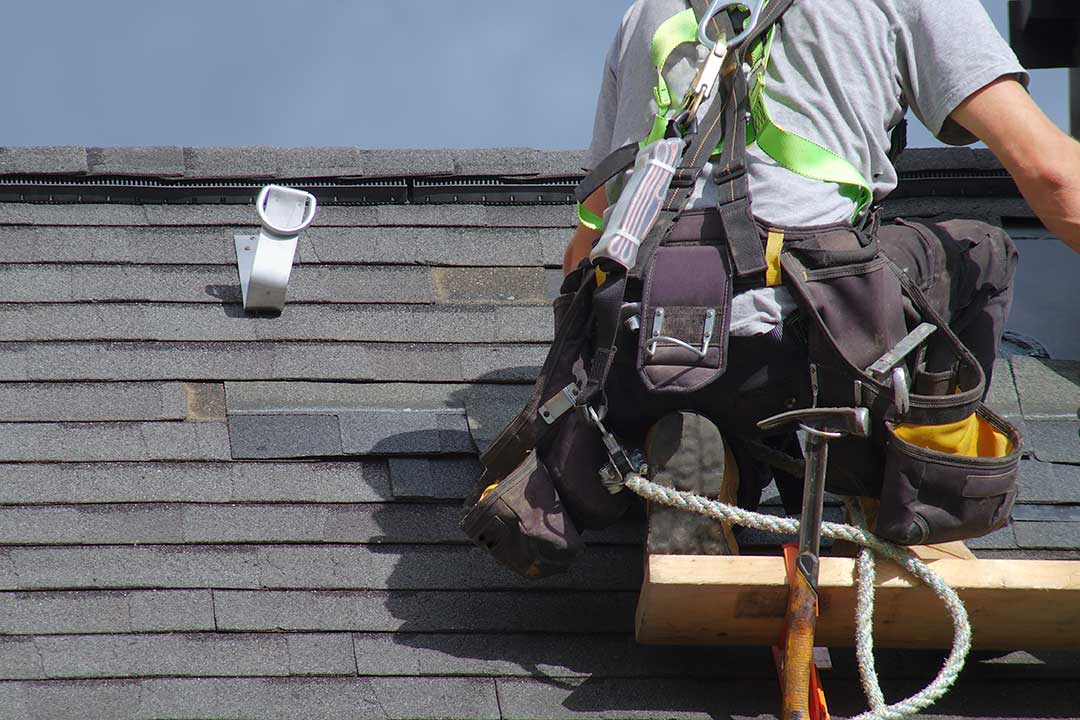
Simple hand tools and a steady ladder handle most seasonal cleaning tasks. For multi-story homes or roofs with steep slopes, using extension tools or seeking help from a family member may be needed for safety.
Do Gutter Guards Solve Drainage Problems?
Many area residents ask whether installing gutter protection systems is a permanent solution. Gutter guards or covers can reduce routine cleaning by blocking leaves and twigs, but they don’t eliminate all maintenance needs. Fine debris, pine needles, and shingle grit can still enter and slowly build up.
Local experience shows that guards work best when matched to the specific tree species and roof style around the home. Annual visual checks are still advisable to confirm gutters are flowing freely.
How Should Yard Grading and Drainage Tie Into Roof Water Management?
Good drainage doesn’t end at the edge of the roof. Managing where the water from downspouts ends up is just as important for avoiding damage:
- Extending downspouts well away from the house foundation (at least five feet)
- Using splash blocks or flexible extensions to direct water safely downslope
- Ensuring soil around the home slopes away from walls to prevent seepage and basement moisture
In some Angola neighborhoods, older homes may have settled or landscaping may need updating to maintain proper grading and prevent persistent water issues.
What Are Common Mistakes Local Homeowners Make With Roof Drainage?
A few frequent missteps can undermine even a well-installed system:
- Allowing gutters to remain clogged for a full season, risking water backup and ice formation
- Shortening or removing downspout extensions, letting water pool next to the foundation
- Ignoring small leaks and sagging sections in gutters
- Assuming new construction or recent roof work means drainage will take care of itself
Well-informed households check everything at least seasonally, especially after severe storms or unusually heavy snowfall.
When Is It Unsafe to Address Roof Drainage Issues Yourself?
While many maintenance and inspection tasks are reasonable for most homeowners, certain situations call for caution. If the roof is steep, wet, icy, or higher than a single story, climbing onto it is unsafe without proper equipment and training. Large patches of mold, significant structural damage, or evidence of electrical hazards mean it’s best to avoid direct contact and seek specialized inspection.
