

Are All Roofing Materials the Same?
Many residents assume all roofing materials perform similarly, but there are key differences. In Angola, NY, where heavy snow, ice, and wind can be routine each winter, the type of shingle or roofing system matters more than most realize. For example, asphalt shingles are common and affordable, but not all brands or grades withstand freeze-thaw cycles equally. Metal roofs last longer and shed snow efficiently, but can be louder during heavy rain, and sometimes require specific insulation approaches. Local weather conditions mean that lifespan claims on packaging may not reflect real-world durability in this area.
Does a New Roof Really Solve All Problems?
Replacing a roof addresses surface issues but doesn’t fix problems caused by poor attic ventilation, insulation gaps, or clogged gutters. It's common to expect a new roof will end leaks, but water intrusion from ice dams along eaves or valleys often requires attic airflow improvements or better sealing. Sometimes, aging flashing around chimneys and vents—not the shingles themselves—lead to leaks, especially after harsh winters when materials expand and contract rapidly. Knowing this helps prevent frustration when unexpected issues show up after a full replacement.
Is It True That Roofs Only Need Attention When They Leak?
A roof visibly leaking is an emergency, but roofing experts recommend regular attic and exterior checks before leaks develop. In the Angola area, fluctuating spring temperatures can quickly turn minor issues like missing shingles or loose flashing into major repairs after a windstorm. Most households overlook small problems because they’re not immediately obvious—things like curling shingle edges, minor moss growth, or rusty nails. Proactive inspections, especially after storms, often catch issues early and reduce repair costs long-term.
Do Dark-Colored Roofs Make Homes Hotter in Local Summers?
While dark roofs do absorb more sunlight, the impact on indoor temperatures in Angola’s relatively brief summer is less significant than many believe. Proper attic ventilation and insulation make a far bigger difference to cooling costs and comfort. More heat is lost through poor insulation or gaps around eaves than through shingle color. For most area homes, protecting against ice dams in winter is a more urgent concern than summer heat retention.
Will Roofing Over Old Shingles Always Save Money?
Some property owners consider adding new shingles over old ones to avoid tear-off costs. While this is sometimes allowed by local codes, it rarely addresses underlying structural issues. Covering damaged or wavy shingles can trap moisture, hide rotting wood, and lead to ongoing leaks—especially with the humidity shifts experienced between seasons in the community. When new shingles are layered over soft, decaying material below, even the best new roof won’t last as long. Full removal is usually the safer long-term investment, particularly in older homes common in the area.
Is Ice Dam Damage Covered by Standard Insurance?
Not all homeowner insurance automatically covers ice dam repairs. Many discover this only after a harsh winter when melting snow backs up under shingles. Residents should carefully review their policy and consider asking about specific coverage for water damage caused by ice dams, as well as the process for filing claims after sudden thaws cause leaks. Knowing in advance what is or isn’t covered reduces unexpected expenses after extreme weather.
Does Moss or Algae Always Indicate a Serious Problem?
Moss and algae growth on shingles is common in shaded or tree-lined neighborhoods around Angola, especially after damp springs. While green or black streaks may look concerning, not every case signals a critical threat. Excessive moss can lift shingles and trap moisture, potentially shortening roof lifespan; however, modest growth is often cosmetic and manageable with gentle cleaning. It’s important to address large patches—especially if moisture is already an issue—but homeowners should avoid harsh cleaners or scraping, which may void shingle warranties.
Are All Roofing Repairs DIY-Friendly?
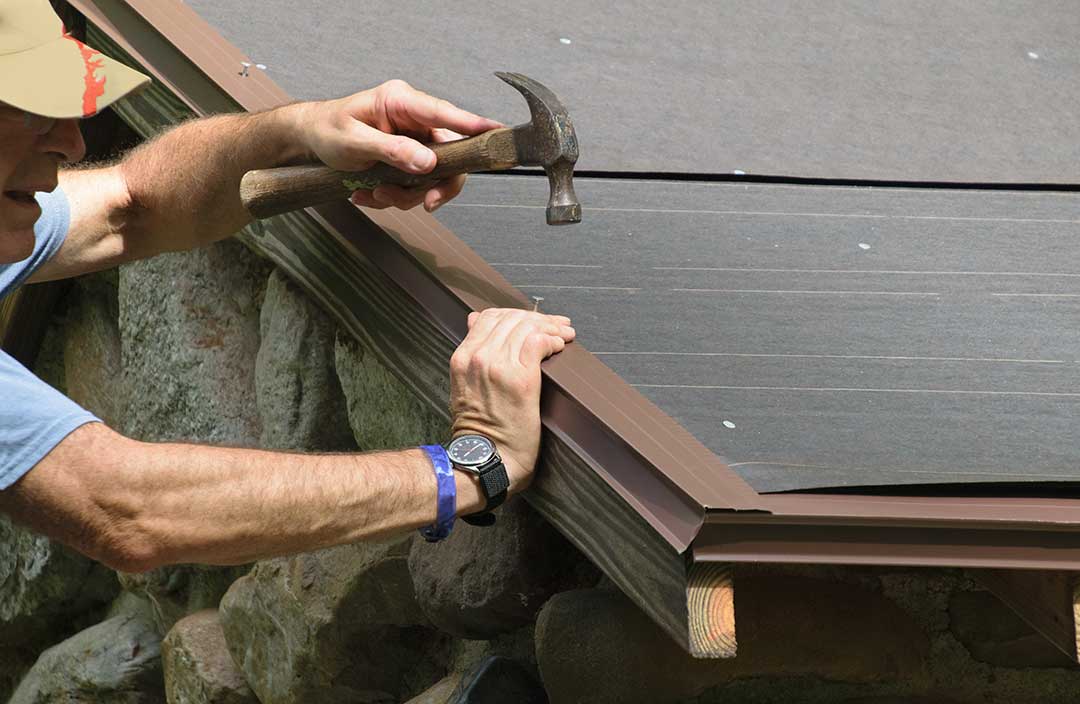
Many small fixes, like replacing a missing shingle or cleaning gutters, can be tackled safely by experienced homeowners. However, working at heights, especially on older steep-pitched roofs common throughout the area, introduces real safety risks. Tasks involving electrical components (like after storm-related damage near power lines) or structural repairs should be managed by qualified professionals due to safety and code compliance requirements. Even minor slip-ups can result in larger leaks or damage if not handled precisely.
Do Roof Warranties Cover Everything?
Roof warranties in this region often protect against manufacturing flaws but may not apply to damage from severe storms, improper installation, or neglect. Many warranties require proof of regular maintenance, and unreported problems (such as ice dam-related leaks) can void coverage. Residents benefit from keeping a record of routine upkeep and any storm damage repairs performed. This helps avoid denied warranty claims and ensures smoother resolution if problems arise.
