
What is the difference between re-roofing and roof replacement?
Re-roofing adds a new layer of shingles over an existing roof, while a roof replacement removes the old roofing materials before installing a new roofing system. The two options may look similar from the ground, but they differ in cost, durability, ventilation, warranty considerations, and the ability to correct hidden problems.
For homeowners in Angola, NY, the decision often depends on the roof’s age, the number of existing shingle layers, the condition of the roof deck, and how well the system has handled wind, rain, ice, and winter temperature changes.
What does re-roofing involve?
Re-roofing means installing new shingles directly over an existing layer of shingles. The old shingles remain in place, so the work is generally faster and produces less tear-off debris.
This approach can be reasonable when:
- The existing roof has only one layer of shingles.
- The roof deck is dry, solid, and free of widespread sagging.
- Leaks are limited or absent.
- Shingles are worn but not severely damaged.
- The roof has a suitable slope for the new roofing material.
- Local building requirements allow another layer.
Re-roofing is not the same as repairing a roof. It covers the existing surface with a new layer, but it does not expose the roof deck for inspection. Problems below the shingles may remain hidden.
A second layer can also add weight. Most residential roof structures are designed to support normal roofing materials, but additional layers should not be added without considering the structure and existing conditions.
What happens during a full roof replacement?
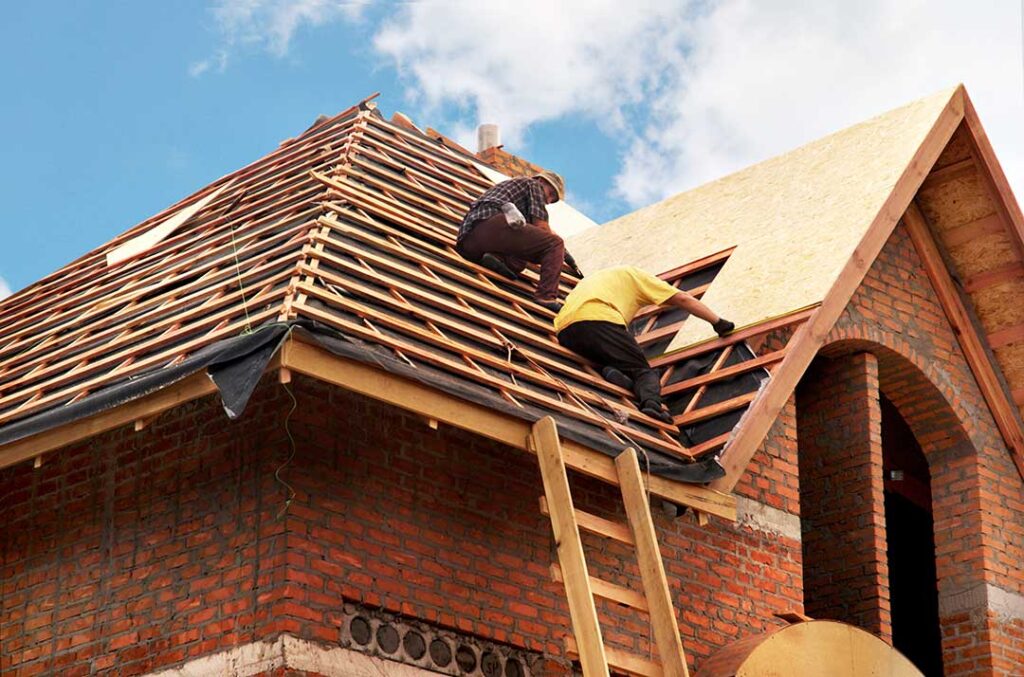
A full replacement removes the shingles, underlayment, flashing, and other roofing materials as needed. The exposed roof deck can then be examined for rot, water damage, loose panels, inadequate fastening, or areas weakened by long-term moisture.
A replacement may include:
- Tear-off of existing roofing materials.
- Inspection and repair of the roof deck.
- New underlayment and ice-barrier materials where required.
- Replacement of damaged flashing.
- Installation of new shingles or another approved roofing material.
- Evaluation of vents, pipe penetrations, skylights, and edge details.
- Improvements to drainage or ventilation when appropriate.
The main advantage is that the entire roofing system can be rebuilt from a known condition. This does not guarantee that every problem is eliminated, but it provides a better opportunity to identify and correct defects that re-roofing would conceal.
Which option lasts longer?
A full replacement generally offers the more predictable service life because the old roofing layers and hidden damage can be addressed. Re-roofing may still perform well, but its expected life depends heavily on the condition of the existing roof and how well the new shingles bond to the surface beneath them.
Several factors affect either option:
- Shingle quality and installation technique.
- Roof slope and drainage.
- Attic ventilation.
- Exposure to wind and weather.
- Moisture around chimneys, walls, valleys, and roof penetrations.
- Maintenance of gutters and downspouts.
- Whether the roof deck remains dry and structurally sound.
In a community with cold winters, freeze-thaw cycles, lake-influenced weather, and occasional strong wind, water-shedding details matter as much as the shingles themselves. Ice buildup at the eaves, wind-driven rain, and blocked drainage can shorten the life of a roof that appears relatively new.
Can re-roofing solve an active leak?
Re-roofing may cover the visible area of a leak, but it does not automatically correct the source. Water can travel beneath shingles and enter through flashing, valleys, roof penetrations, or damaged decking before appearing inside the home.
A full replacement is usually more appropriate when there is:
- Repeated leaking in different areas.
- Soft or spongy roof sections.
- Sagging between rafters or trusses.
- Widespread shingle loss.
- Rot around roof edges or penetrations.
- Extensive staining or mold-like growth caused by ongoing moisture.
- Damage beneath more than a small isolated area.
A single leak does not always mean the entire roof must be replaced. Localized flashing or shingle repairs may be sufficient when the rest of the roof is in good condition. The key question is whether the problem is isolated or evidence of a broader failure.
How does roof age affect the decision?
Age is useful, but it should not be the only deciding factor. A roof near the end of its expected service life may not be a good candidate for re-roofing, even if the surface appears acceptable.
Warning signs that replacement may be more practical include:
- Shingles that are brittle, curled, cracked, or missing granules.
- Many areas of patching or exposed fasteners.
- Dark streaks or moisture-related discoloration.
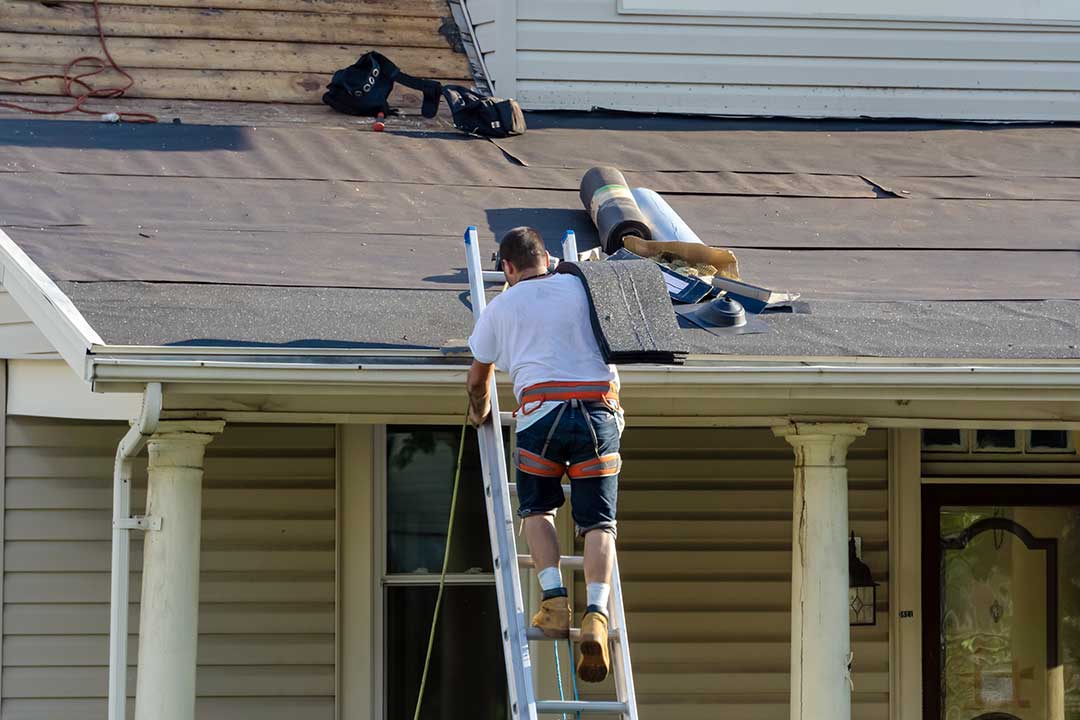
- Exposed underlayment or roof decking.
- Repeated repairs after storms.
- Shingles that lift or shift in ordinary wind.
- A roof that has already been covered once.
If a roof has two existing shingle layers, another layer is generally not a simple option. Additional materials can create excess weight, uneven surfaces, and difficulties with proper fastening. Tear-off may be necessary to meet building requirements and to install the next roof correctly.
What role do ventilation and insulation play?
Neither re-roofing nor replacement should be viewed only as a shingle decision. Attic ventilation, insulation, and air sealing influence how the roof performs.
Poor ventilation can contribute to excessive attic heat in summer and moisture buildup during winter. Moisture may condense on cold surfaces, dampen insulation, and contribute to wood deterioration. Replacing shingles without addressing a serious ventilation problem can leave the underlying cause untouched.
Ventilation changes should be based on the design of the attic and roof. Adding vents without providing a balanced intake and exhaust path may not improve performance and can sometimes create new problems.
Is re-roofing less expensive?
Re-roofing usually costs less initially because it involves less labor, less tear-off, and fewer disposal materials. However, the lower upfront cost does not always make it the better long-term choice.
Replacement may be more economical over the life of the home when the existing roof has hidden damage, poor flashing, inadequate ventilation, or multiple layers. Re-roofing over a failing surface can shorten the life of the new shingles and make future repairs more complicated.
Homeowners should also consider whether the property may be sold, renovated, or used as collateral in the future. A documented full replacement with a sound roof deck may provide clearer information about the condition of the home than a second layer installed over unknown materials.
What should be checked before choosing?
Before deciding, the roof should be evaluated from both the exterior and the attic side. Useful questions include:
- How many shingle layers are already present?
- Is the roof deck firm and dry?
- Are leaks limited to one location?
- Is flashing intact around walls, valleys, vents, and chimneys?
- Are gutters and downspouts moving water away from the foundation?
- Is the attic showing dampness, rot, or poor airflow?
- Has the roof experienced storm damage or repeated wind loss?
- Are local permits or code requirements involved?
A roof that is simply weathered may be a candidate for re-roofing. A roof with structural damage, widespread moisture, repeated leaks, or multiple existing layers generally requires a more comprehensive replacement approach.
The practical distinction
Re-roofing is a surface-level renewal. Full replacement is a system-level rebuild. Re-roofing can make sense when the existing roof is fundamentally sound and only one layer is present. Replacement is the more thorough option when the roof deck, flashing, ventilation, or underlying materials need inspection and correction.
For households in Angola, the most reliable decision comes from looking beyond the visible shingles. The condition beneath the roof surface, the history of leaks, and the way the roof handles seasonal weather are often more important than appearance alone.
