
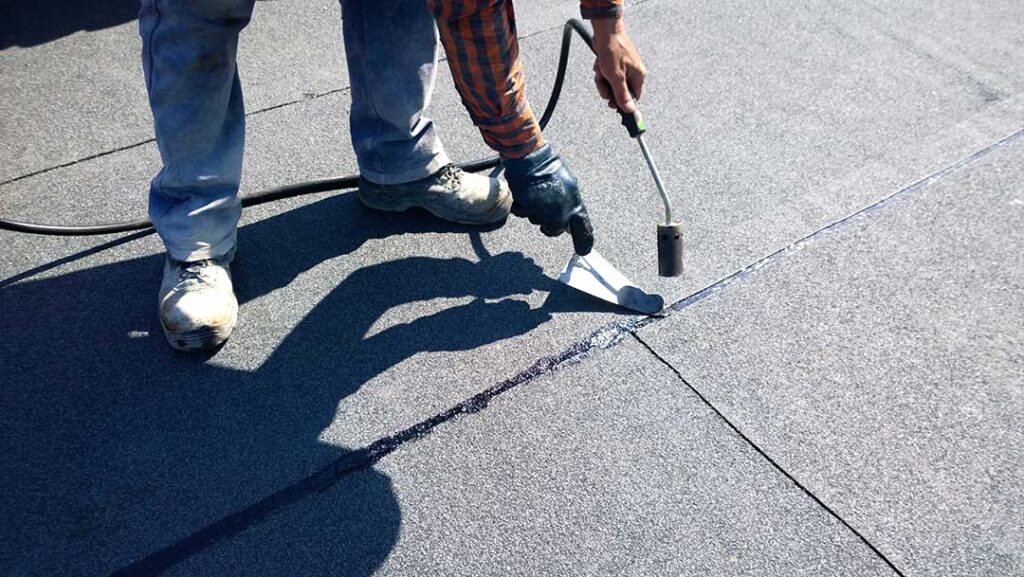
What is roof flashing?
Roof flashing is thin, weather-resistant material installed where a roof meets another surface or where water could collect and enter the building. Its job is to direct rain and melting snow away from vulnerable seams, joints, and openings.
Flashing is commonly made from galvanized steel, aluminum, copper, or other corrosion-resistant materials. It may be visible along a roof edge, tucked beneath shingles, or concealed around a chimney, wall, skylight, vent, or roof penetration.
Shingles shed most roof water, but they cannot protect every joint by themselves. Flashing provides a second layer of defense in places where roofing materials change direction or meet a vertical surface.
For homes in Angola, NY, that protection matters because roofs must handle rain, wind, freeze-thaw cycles, lake-effect snow, and ice that may form along colder roof edges.
Where is flashing used on a roof?
Flashing is installed in several locations, each with a particular purpose:
- Chimney flashing: Metal flashing seals the joint where the chimney passes through the roof. Step flashing is often placed along the chimney sides, while larger pieces may protect the upper and lower edges.
- Wall intersections: Roofs that meet exterior walls require flashing to keep water from running behind siding, masonry, or trim.
- Valleys: A valley is the inward angle where two roof sections meet. Water and debris naturally move through this area, so properly installed valley flashing or a comparable waterproofing system is essential.
- Roof edges: Drip edge flashing helps direct water into gutters or away from the fascia and roof decking.
- Plumbing vents and other penetrations: Special flashing boots seal around pipes, vents, and similar openings.
- Skylights: Skylight flashing creates a weather-resistant transition between the skylight frame and surrounding roofing materials.
- Dormers and additions: Changes in roof shape create multiple seams that need carefully layered flashing.
The correct design depends on the roof’s shape, the surrounding materials, and how water moves across the surface.
How does flashing prevent leaks?
Flashing works by controlling water flow rather than simply blocking water with a flat metal patch. Properly installed pieces overlap in the same direction that water travels, allowing rain and melting snow to move downward and away from the building.
For example, step flashing at a wall is installed in a series of overlapping pieces. Each piece works with the shingle course above it and the wall covering beside it. If the layers are reversed, cut too short, or fastened incorrectly, water can reach the roof deck or wall cavity.
Flashing also helps protect against wind-driven rain. During storms, water may move sideways or upward beneath loose roofing materials. Sound flashing, combined with properly installed underlayment and shingles, limits the paths available to that water.
Sealants have a supporting role, but they should not be treated as the entire flashing system. Caulk can dry, crack, shrink, or separate from a surface. Durable protection normally depends on correct metal placement, overlapping layers, and sound connections between roofing and wall materials.
What are signs of flashing problems?
A flashing failure may appear indoors long before the metal itself is easy to see. Possible warning signs include:
- Brown or yellow ceiling stains near a chimney, skylight, or exterior wall
- Damp attic insulation or darkened roof decking
- Peeling paint or swollen drywall around upper-floor walls
- Water marks that appear after wind-driven rain
- Drips that occur only during snowmelt or heavy storms
- Rust, holes, lifted edges, or separated seams in exposed flashing
- Missing shingles or loose roofing materials near a roof intersection
- Damaged siding, trim, or masonry below a roof-to-wall joint
- Moss or algae growth in an area that stays unusually wet
A leak does not always appear directly below the failed flashing. Water can travel along rafters, roof decking, insulation, or wall framing before becoming visible. For that reason, the location of an interior stain may not identify the exact source.
Can a roof leak be caused by flashing even when shingles look fine?
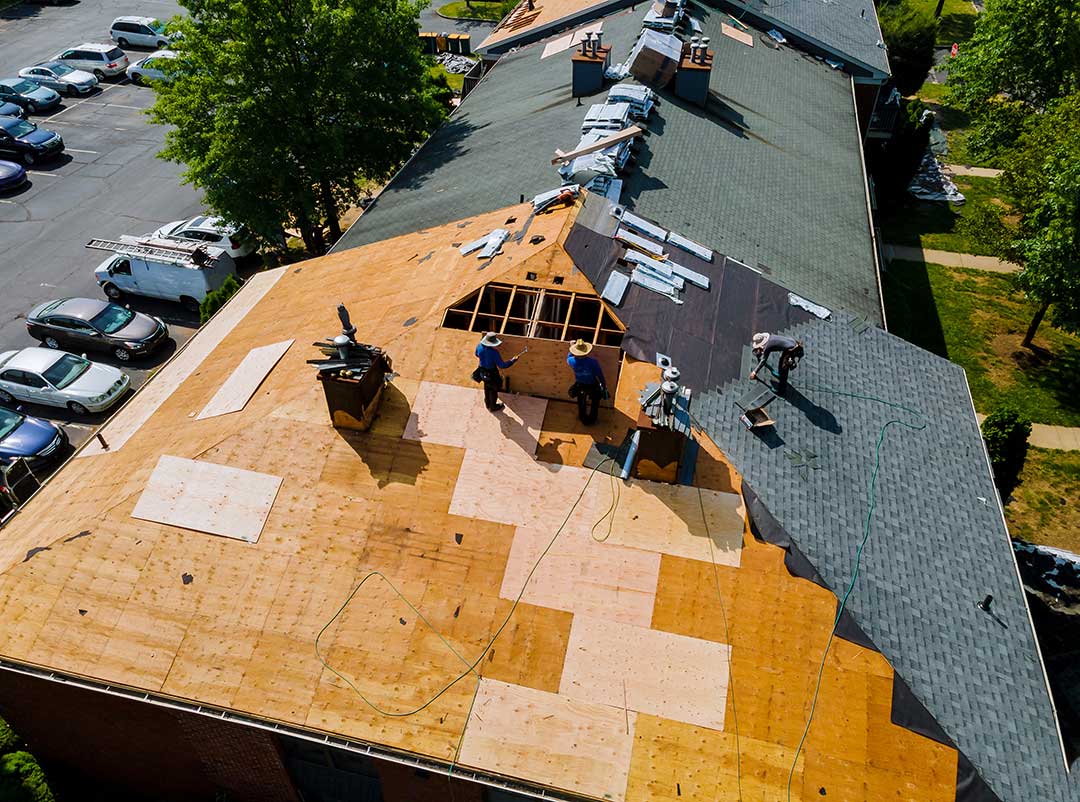
Yes. Shingles may appear intact while flashing beneath or beside them has deteriorated. This is common around chimneys, vent pipes, skylights, valleys, and wall intersections.
Flashing can fail because of corrosion, physical damage, improper installation, movement between building materials, or repeated expansion and contraction. Ice and snow can also expose weak points, especially where debris blocks drainage or where meltwater refreezes along an edge.
A roof inspection should consider the entire water-shedding system, not only the visible shingle surface. Looking at shingles alone may miss a problem hidden under overlapping materials.
What is the difference between step flashing and counterflashing?
Step flashing consists of individual metal pieces installed where a sloped roof meets a wall. Each piece is layered with a shingle course so water flows over the flashing and continues down the roof.
Counterflashing is placed on the vertical surface, commonly a masonry chimney or wall, to cover the upper portion of base flashing. On a chimney, counterflashing may be cut into mortar joints or formed into the masonry so water cannot easily enter behind the flashing.
Both systems are designed to work together. Step flashing without adequate counterflashing may leave an exposed upper edge. Counterflashing alone may not protect the roof-to-wall transition beneath the shingles.
Does roof flashing need to match the roofing material?
Flashing does not always need to be made from the same material as the roof, but compatible materials and proper separation are important. Certain metals can react when placed directly against one another, leading to corrosion.
The flashing also needs to work with the surrounding siding, masonry, underlayment, shingles, fasteners, and sealants. For example, a material that performs well in one roof assembly may be unsuitable if it traps moisture or reacts with another metal.
Color matching is mainly an appearance issue. Water management, durability, compatibility, and correct installation matter more than an exact visual match.
How should homeowners think about flashing after a storm?
After strong wind, heavy rain, or a period of snow and ice, a ground-level visual check can identify obvious problems without climbing onto the roof. Look for loose metal, displaced shingles, damaged chimney caps, overflowing gutters, or pieces of roofing material in the yard.
Climbing onto a wet, icy, steep, or damaged roof creates a fall hazard. Attic access may also be unsafe if insulation is disturbed, wiring is exposed, or the roof structure has been affected by moisture.
If water is actively entering the building, place a container under the drip when practical, move belongings away from the area, and document the location and timing of the leak. Electrical fixtures near water should not be touched.
How long does roof flashing last?
Flashing life varies widely. Metal type, exposure, installation quality, roof design, nearby trees, snow and ice conditions, and maintenance all affect durability.
A roof may need flashing repair before the shingles reach the end of their expected service life. Conversely, older flashing may remain functional if it is well protected and properly integrated with the roofing system.
During roof repairs or replacement, flashing should be evaluated rather than automatically covered or reused. The decision depends on its condition and whether it can be correctly integrated with the new materials.
Why does flashing deserve attention in Angola?
Seasonal weather places repeated stress on roof transitions. Rain can be driven beneath edges by strong winds, while snowmelt can expose weak joints during freeze-thaw conditions. Ice buildup near eaves may also push water toward areas that are not designed to drain uphill.
Homes with chimneys, dormers, additions, enclosed porches, skylights, or complex rooflines have more transitions and therefore more flashing locations to monitor. Keeping gutters reasonably clear, trimming branches that scrape roofing, and checking attic spaces for dampness can help reveal problems before they spread into framing, insulation, ceilings, or exterior walls.
Flashing is not the most visible part of a roof, but it performs one of its most critical jobs: guiding water away from the places where a roof is most likely to leak.
