
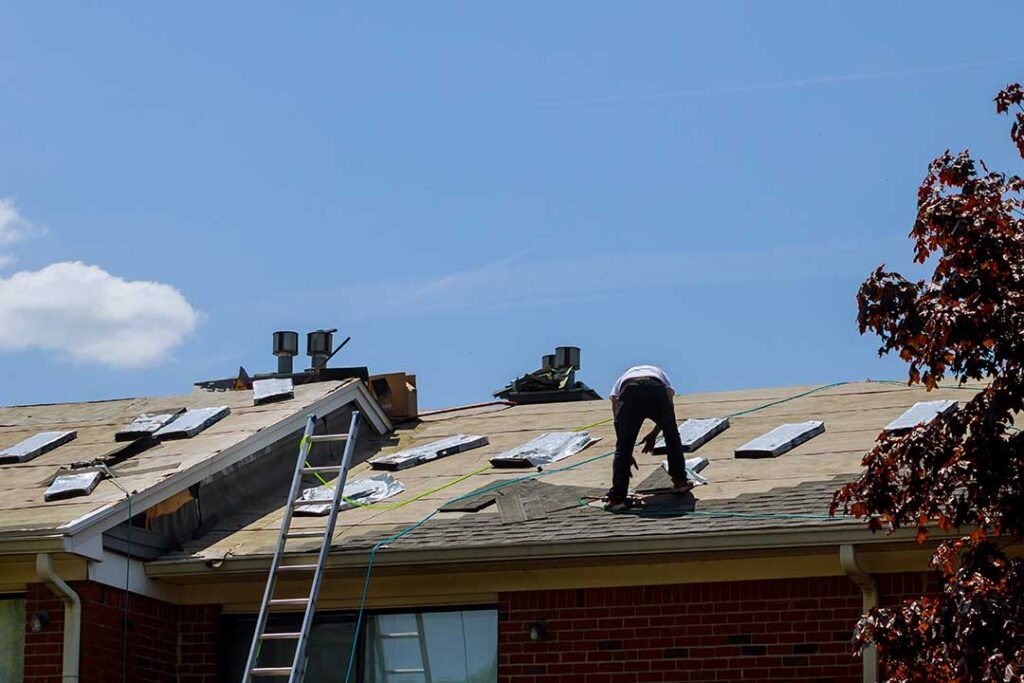
Why a minor roof problem should not be ignored
A small roof defect can allow water, wind, and cold air into parts of a home that are difficult to see. In Angola, NY, seasonal rain, snow, ice, strong winds, and freeze-thaw cycles can gradually turn a limited repair into a larger building problem.
A missing shingle, lifted flashing, cracked vent boot, or small ceiling stain may not seem urgent. Roof damage does not always produce immediate, dramatic symptoms. Water may travel along roof decking, rafters, insulation, or wall cavities before appearing indoors.
The longer the defect remains untreated, the more likely it is that the repair will involve more than the original roofing material.
What can happen if a leak is left unrepaired?
An unrepaired leak can damage the roof structure, insulation, ceilings, walls, and electrical components. Even a slow drip may repeatedly wet the same area during rain or snowmelt.
Common consequences include:
- Stained or sagging ceilings
- Bubbling or peeling paint
- Damp attic insulation
- Mold or mildew growth
- Rot in roof decking or framing
- Damaged drywall and wall insulation
- Corroded nails, fasteners, or electrical components
- Musty odors that return after cleaning
Water damage is often hidden above the ceiling or behind finished walls. By the time a stain becomes visible, moisture may already have affected a larger area than the surface mark suggests.
A ceiling stain that dries after a storm is not necessarily a resolved problem. The visible water may have stopped only because the weather changed.
How does winter weather increase roof damage?
Cold weather can make existing roof defects more serious. Snow adds weight to the roof, while ice and repeated freezing can enlarge small cracks and openings.
Freeze-thaw cycles are especially troublesome. Water enters a small gap, freezes, expands, and places pressure on surrounding materials. When temperatures rise, the water melts and moves farther into the roof system. Repeating this process can loosen shingles, damage flashing, and widen gaps around vents or chimneys.
Ice dams may also form along roof edges when heat escapes unevenly through the attic. Meltwater can collect behind the ice and move beneath shingles. Proper attic insulation and ventilation can reduce the risk, but they cannot correct damaged roofing materials by themselves.
After a major snow or ice event, warning signs include:
- New ceiling stains
- Icicles combined with indoor moisture damage
- Shingles that appear lifted or uneven
- Water in the attic
- Sagging roof edges or gutters
- Drafts or damp insulation near the roofline
Roof surfaces can be slippery and unstable in winter. Walking on snow-covered or icy roofing creates a fall hazard and can damage brittle shingles.
Can wind damage be serious if only a few shingles are missing?
Yes. A roof does not need to lose a large section of shingles to become vulnerable. Wind can lift the edge of a shingle, break its seal, or loosen nearby materials without removing them completely.
A lifted shingle may allow wind-driven rain underneath. Once water reaches the underlayment or roof decking, damage can continue even if the roof looks mostly intact from the ground.
After strong winds, look from the ground for:
- Bare or unusually dark patches
- Shingles in the yard
- Raised shingle edges
- Bent metal flashing
- Damaged vents
- Debris lodged on the roof
- Gutter sections pulled away from the house
A roof inspection from the ground cannot reveal every problem. However, it can identify signs that the roof should not be ignored. Residents should avoid climbing onto the roof, especially after storms or during wet, icy, or windy conditions.
What damage can occur in the attic?
The attic often shows roof problems before the living space does. Moisture may collect on roof decking, nails, insulation, or framing without immediately creating a ceiling stain.
Signs of trouble may include:
- Dark discoloration on wood
- Damp or compressed insulation
- Rusted fasteners
- Water marks around vents or chimneys
- Condensation on the underside of the roof
- Mold-like growth
- Daylight visible through the roof
- A persistent musty smell
Not every attic moisture problem is caused by a roof leak. Poor ventilation, air leakage from the living space, and bathroom or kitchen exhaust venting into the attic can also create condensation. Identifying the source matters because adding roofing material will not solve a ventilation or indoor-air problem.
Attic access should be approached carefully. Loose boards, exposed nails, low visibility, and unstable insulation can create hazards. Electrical wiring may also be present.
How can neglected roof repairs affect energy costs?
Roof deterioration can increase heating and cooling demands, although the effect is not always immediate. Missing shingles, damaged flashing, and gaps around penetrations can allow air and moisture to move through the building envelope.
Wet insulation performs poorly. If insulation becomes damp, it may lose effectiveness and remain compressed after drying. Air leaks around attic hatches, vents, and roof joints can also create drafts and uneven indoor temperatures.
A common misconception is that a roof leak only matters during rain. Moisture-related damage can continue through snowmelt, condensation, and humidity changes. The roof and attic function as part of the home’s overall weather barrier, so damage in one area can affect comfort and building performance elsewhere.
Are roof leaks a health concern?
A roof leak does not automatically create a health emergency, but persistent moisture can support mold and mildew growth. It can also worsen odors and indoor air quality, particularly in enclosed attic spaces or rooms with water-damaged materials.
Prompt attention is more important when:
- A large area is wet
- Mold-like growth is spreading
- Occupants have asthma or respiratory sensitivities
- Water has reached electrical fixtures
- The ceiling is sagging
- Wet materials have remained damp for an extended period
Do not touch wet electrical equipment or stand beneath a bulging ceiling. A sagging ceiling may fail if saturated with water. Move belongings away from the area only when it can be done safely.
Which roof problems require urgent attention?
Some conditions should be treated as urgent because they involve immediate risks to people or the structure:
- A ceiling is actively leaking near a light fixture or electrical outlet
- A ceiling is sagging or bulging
- A large section of roofing has blown away
- Tree limbs have struck the roof
- The roofline appears to be collapsing or visibly uneven
- Water is entering rapidly during a storm
- Fire, smoke, or major structural damage has affected the roof
Temporary measures such as placing a container beneath a drip or covering damaged areas from the ground may limit interior damage, but they do not replace a permanent repair. Tarps and ladders can be dangerous in wet, icy, or windy conditions.
How can residents spot roof problems earlier?
Routine observation helps catch damage before it spreads. Check the attic and upper ceilings a few times a year, especially after heavy rain, strong winds, major snow, or rapid snowmelt.
From the ground, look for changes in roof lines, missing materials, damaged flashing, sagging gutters, and excessive granules near downspouts. Indoors, pay attention to new stains, peeling paint, musty odors, and unexplained drafts.
Keep basic records of when a problem appeared and what weather occurred beforehand. That information can help distinguish storm damage, ongoing seepage, condensation, and maintenance issues.
The safest approach is to address roof defects while they are still limited. Waiting may allow water to reach structural wood, insulation, walls, and electrical systems—turning a visible roofing problem into a broader building repair.
