

What Causes Shingle Curling and Cracking Around Angola, NY?
Shingle curling and cracking happen when roofing materials begin to deteriorate due to age, weather exposure, or improper installation. In Angola, NY, the freeze-thaw cycles of harsh winters, strong winds off Lake Erie, and humid summers all contribute to these problems on local roofs.
Curling occurs when the edges of asphalt shingles lift or turn upward. Cracking is when the shingle surface splits, often in a pattern that can run across the tab or lengthwise. Both conditions can develop more quickly when roofs face direct sunlight, fluctuating temperatures, and heavy moisture—all common in the region.
Are Curling and Cracking Major Problems?
Curling and cracking are warning signs that shingles have lost flexibility and weatherproofing ability. Left unchecked, these conditions can lead to leaks, insulation damage, and, in colder months, ice dams where melted snow refreezes along the roof edge, backing up under the shingles.
Locally, curled shingles are prone to wind lift during seasonal storms, while cracked shingles allow water to reach roof decking. Even small trouble spots can worsen over one or two seasons. Winter's ice and snow place added stress on already damaged shingles, making timely assessment useful for area households.
How Can Residents Assess the Extent of the Damage?
The easiest way to check for curling and cracking is with a visual inspection from the ground using binoculars or by examining accessible sections such as over a porch. Look for:
- Shingle edges curling up, especially at roof sections exposed to the most sunlight.
- Noticeable cracks, splits, or missing granules on shingle surfaces.
- Discolored patches, which often signal trapped moisture beneath damaged shingles.
If only a few scattered shingles show minor curling or cracks, issues might be limited and manageable. If widespread or severe, larger sections may need attention to avoid greater problems during the next rainy or snowy season.
What Are the Main Causes in the Community’s Climate?
Several factors lead to shingle curling and cracking here:
- Age: Most asphalt shingles in the community last about 15-20 years. Older roofs are more likely to show signs of wear.
- Weather Stress: Frequent freeze-thaw cycles, heavy snowfall, and strong spring winds stress shingles—twisting, shrinking, and drying them out.
- Moisture: High humidity and poor attic ventilation trap moist air, softening shingles and increasing the risk of both curling and cracking.
- Sun Exposure: Direct sun, especially on south- and west-facing slopes, dries out the shingle material, making it brittle.
Understanding these local factors can help residents time repairs or preventive measures more effectively.
Can Minor Damage Be Fixed Without Replacing the Whole Roof?
Small areas of curling or cracking do not always require full roof replacement. Spot repairs can extend roof life when caught early:
- Slightly curled shingle edges may be glued down using roofing cement applied in warm, dry weather.
- Small cracks can sometimes be sealed with an asphalt-based roof sealant to prevent immediate water intrusion.
- Replacing just the damaged shingles is possible if the rest appear healthy and well-attached.
If attempting any of these, ensure safety—steep or icy roofs can be hazardous, and climbing should be avoided during slick or windy conditions. Older, brittle shingles can break easily if walked on, so hand tools and gentle handling are preferred.
What Should Homeowners Avoid Doing?
Not all DIY fixes are helpful, and some can cause more harm:
- Covering curled or cracked areas with caulk or tar as a quick fix is rarely effective and may trap moisture.
- Nailing down curled shingle edges often leads to more cracking.
- Walking extensively on a damaged roof risks breaking more shingles and personal injury.
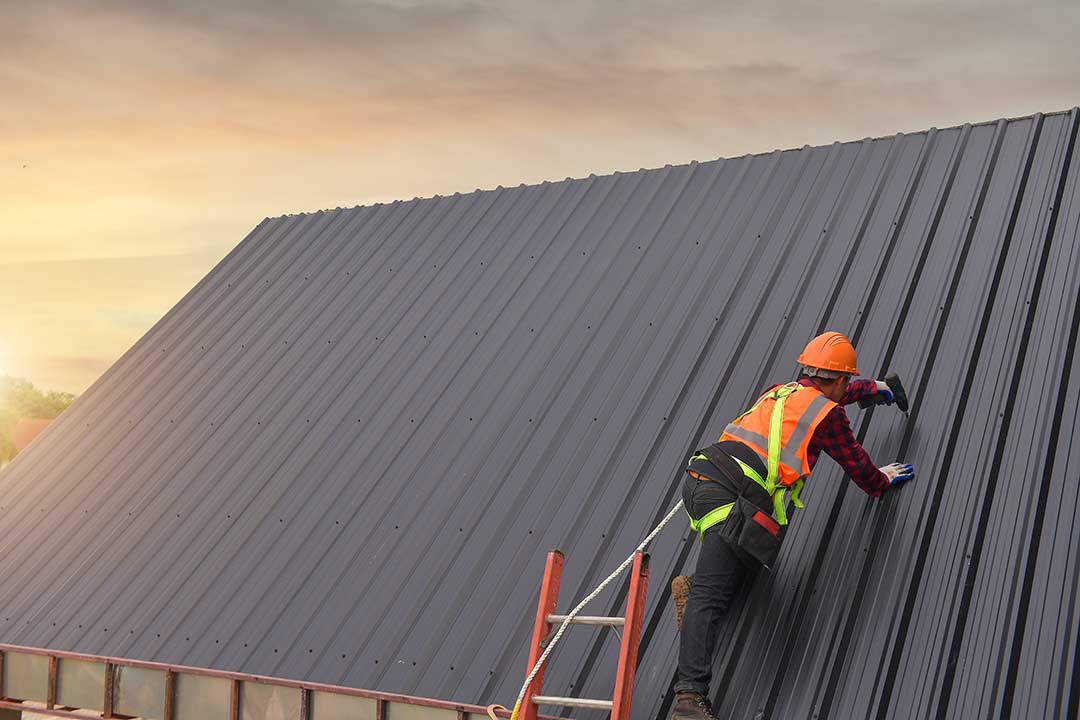
Ignoring early signs in hopes that they will not worsen can also lead to costlier repairs later, especially with Angola’s winter snow loads.
When Are Professional Assessments Necessary?
A simple ground inspection suffices in most situations, but consider a licensed roofer’s evaluation if:
- There are large, continuous sections of curling or cracking.
- Water stains appear on ceilings or attic rafters, suggesting leaks.
- The roof is near or past its expected service life and more than a few shingles are affected.
Severe damage might require significant repairs to maintain safety and meet local building codes.
How Can Residents Prevent Future Shingle Damage?
While some weather impacts are unavoidable, a few routine measures can minimize risk:
- Ensure attic spaces are well-ventilated and insulated to reduce moisture buildup and moderate roof temperatures.
- Keep gutters clear to avoid ice dams along the eaves.
- Trim trees overhanging roofs to limit shade-related dampness and physical abrasion.
- Arrange regular visual inspections after major storms or each spring and fall.
Timely maintenance and early spotting of trouble help area homes make the most out of each roofing cycle and avoid the most common pitfalls of Angola’s challenging climate.
