

Why Does Roof Debris Matter for Homes in Angola, NY?
Roof debris is more than a cosmetic issue for homes in Angola, NY. Fallen branches, leaves, pine needles, and wind-blown litter can block gutters, trap moisture, and shorten the lifespan of roofing materials. In the local climate—where winds off Lake Erie and changing seasons mean spring and autumn bring significant leaf and branch accumulation—roof debris removal is a necessary routine for area households.
Allowing buildup may lead to:
- Clogged gutters and downspouts, causing water to back up under shingles
- Moss or algae growth, especially in the damp spring and fall
- Increased risk of ice dams in winter
- Additional weight, which can damage older or weaker sections of roof
How Can Roof Debris Be Safely Removed?
Debris can be cleared by manual removal or using gentle tools, but planning and safety come first. For most local residents, the process can be done without specialized skills, but safety, especially with ladders or on sloped surfaces, is absolutely critical.
Basic steps:
1. Wait for dry conditions—wet leaves and debris are heavy and slippery.
2. Use a sturdy, properly placed ladder on stable ground. Avoid standing on the actual roof unless absolutely necessary.
3. Wear slip-resistant shoes and gloves.
4. Use a soft-bristled broom, plastic roof rake, or leaf blower for loose debris.
5. Pick up larger sticks or branches by hand, placing them in a yard bag or bin.
On multi-story homes or steep roofs, it's not safe to climb or reach without proper training and harnesses. In those cases, limit efforts to gutter cleaning from a ladder or consider other safe options.
What Tools Work Best for Clearing Roof Debris?
Some tools are safer and more effective for the types of roofs and common materials found locally.
- Soft-bristle brooms (for asphalt shingles) gently move debris without removing granules.
- Specialized roof rakes with telescoping handles help reach from the ground on single-story homes.
- Leaf blowers (used at low speed and never pointed directly under shingles) can dislodge loose debris.
- Gloves protect against sharp twigs, rough roofing, or small animal nests.
Never use pressure washers, metal shovels, or hard rakes, as these can damage roofing. Avoid standing on roofs with steep pitches typical of older homes in Angola or after rain, snow, or frost.
Are There Seasonal Tips for Debris Removal in the Community?
Yes, the timing and strategy depend on seasonal patterns.
Spring/Summer:
Local trees drop catkins, blossoms, and seeds. Remove all debris before thunderstorm season to prevent clogs in gutters and downspouts.
Fall:
Monitor as leaves drop, especially from maples, oaks, and pines. Multiple cleanings may be necessary while trees shed over several weeks. Early removal prevents the formation of wet, compacted layers that can support moss or algae growth once winter arrives.
Winter:
Clear out leftover debris before the first snowfall. New snow or ice will compact any organic matter, making removal impossible and increasing the risk of ice dams.
What Are Common Mistakes or Misconceptions?
Many homeowners in the area underestimate either the safety risks or the potential for damage.
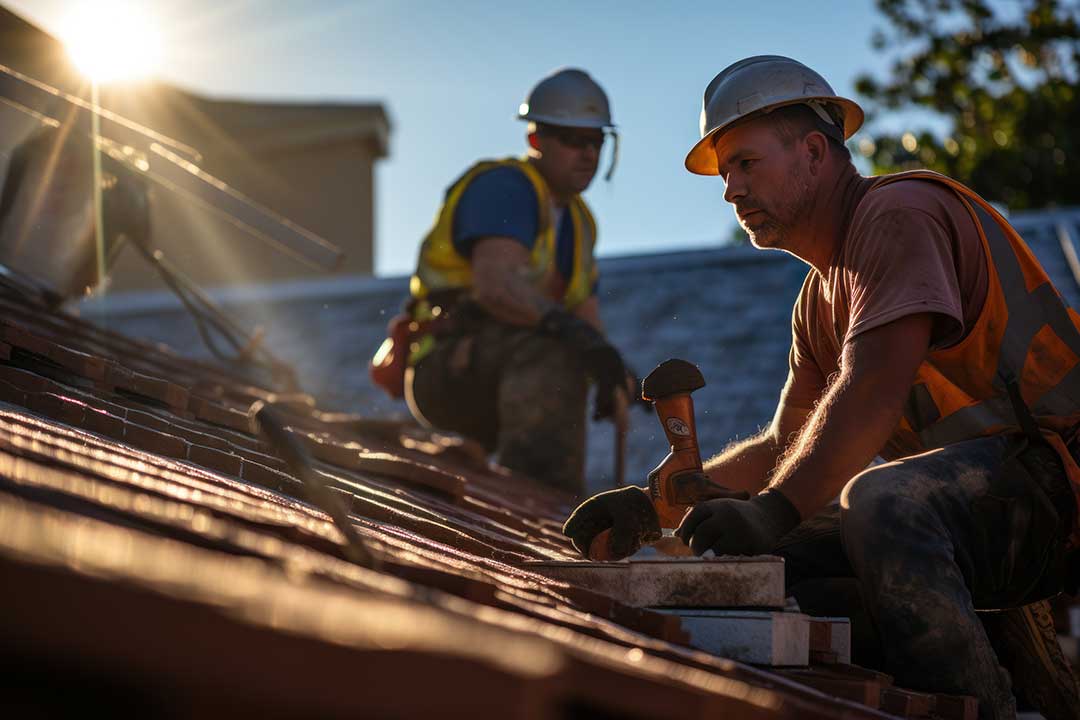
- Attempting to sweep or blow debris from a wet or icy roof surface
- Using metal rakes, which can remove shingle granules or tear membrane roofs
- Ignoring gutters—much of the problem debris settles where water is meant to drain
- Delaying cleanup until "later," which can let seeds, spores, or pests get established
Some think that wind alone will clear a roof, but windy, storm-prone weather often means debris accumulates in valleys and around chimneys where the wind can’t reach.
Can Roof Design Affect Debris Removal Needs?
The style and pitch of local roofs influence how much effort is required. In Angola, many older homes have moderately pitched or gabled roofs, with deep valleys where debris collects.
- Steep roofs shed dry leaves easily but may require special tools or professional help to access safely.
- Lower-pitch and flat sections, common on additions or porches, trap more debris and may require more frequent checks.
Additionally, any roof with overhanging trees will need to be monitored throughout the year. Residents with screens or guards on gutters should still check for fine debris that can accumulate on top.
How Does Debris Removal Affect Roof Longevity?
Consistent removal preserves shingles, metal, and membranes by allowing proper water runoff and ventilation. In Angola’s climate, letting debris sit through damp springs or freeze beneath snow hastens rot, degrades materials, and introduces potential for leaks—especially after winter freeze-thaw cycles.
Preventing buildup also reduces chances of moss, lichen, and pest nests, which are difficult and costly to remove once established.
What Should Residents Do If Debris Removal Seems Unsafe or Unmanageable?
If the roof is particularly steep, damaged, or difficult to access—or if health or mobility present a concern—it is safest for local residents to limit their efforts to gathering debris from the ground and maintaining gutters from a ladder used only as directed. Never attempt to clear debris during strong winds, rain, or while alone if a fall could risk serious injury.
